English
 简体中文
简体中文


- April 03, 2026
Sintered Stone 101: Benefits & Applications in Modern Design
1. What Is Sintered Stone—And Why Is Everyone Talking About It?
Sintered stone sounds technical—almost industrial. And it is. But the result? Surprisingly refined.
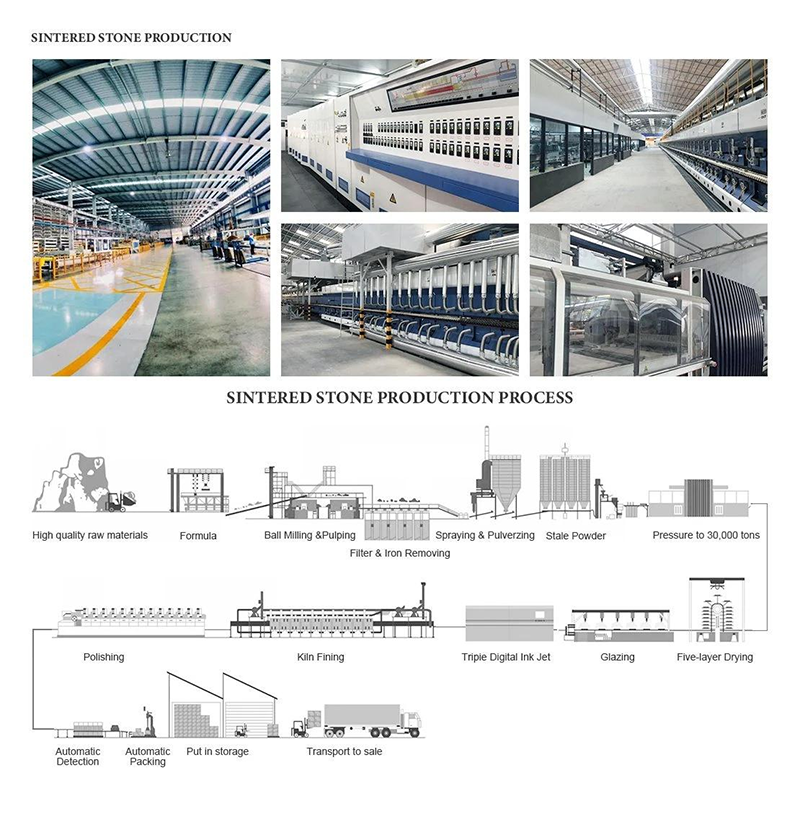
It's created by compressing natural minerals under extreme pressure and heat, mimicking the way stone forms in nature… just accelerated. No resins. No shortcuts. Just physics, pushed to its limits.
So is it natural? Not quite. Artificial? Not exactly either.
It sits in that intriguing middle ground—engineered, yet mineral-based.
And that ambiguity? That's part of its appeal.
2. Performance: Built to Withstand (Almost) Anything
Here’s where sintered stone becomes difficult to ignore.
It doesn’t just perform well. It overperforms.
Heat won’t scare it. Scratches struggle to leave a mark. UV exposure? Minimal impact. You could install it outdoors and—months later—it still looks… unchanged.
Key performance traits
Non-porous: resists stains, liquids, bacteria
Heat-resistant: direct contact with hot cookware is typically safe
UV-stable: color won’t fade under sunlight
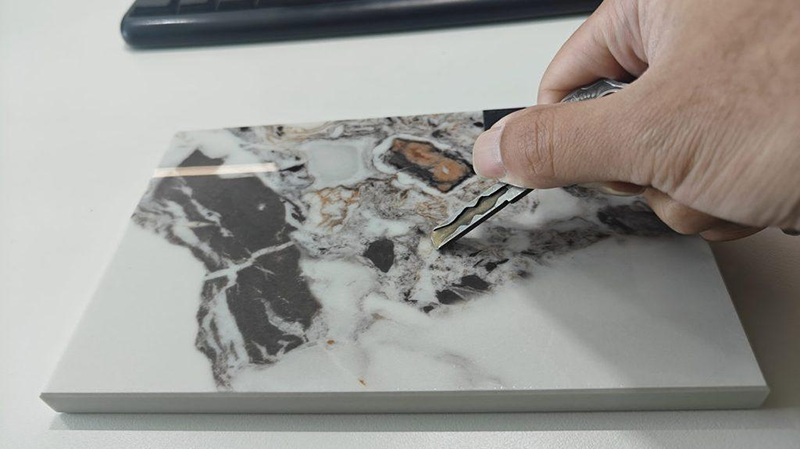
Scratch-resistant: harder than most countertop materials
Sounds perfect? Almost. But perfection in materials usually comes with trade-offs—and this one is no exception.
3. Aesthetics: Precision vs Natural Variation
Too accurate, sometimes.
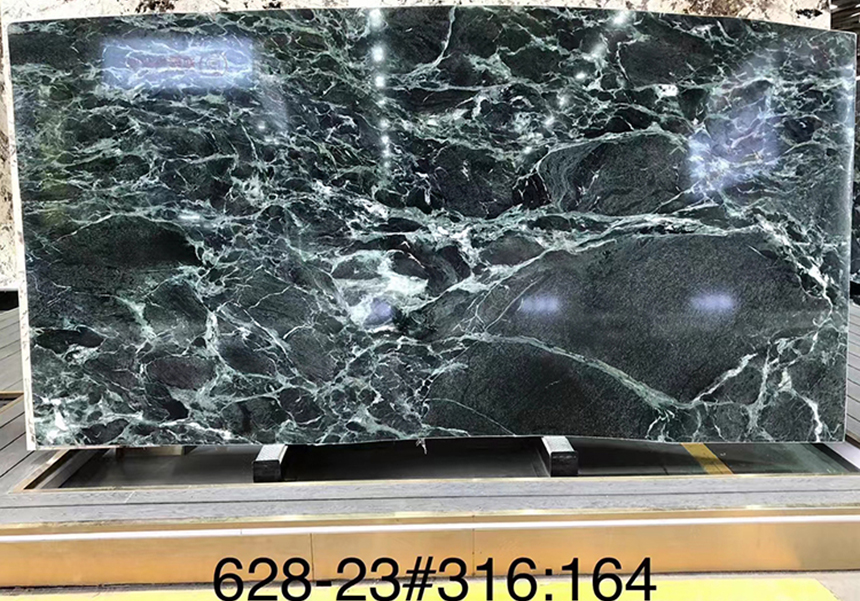
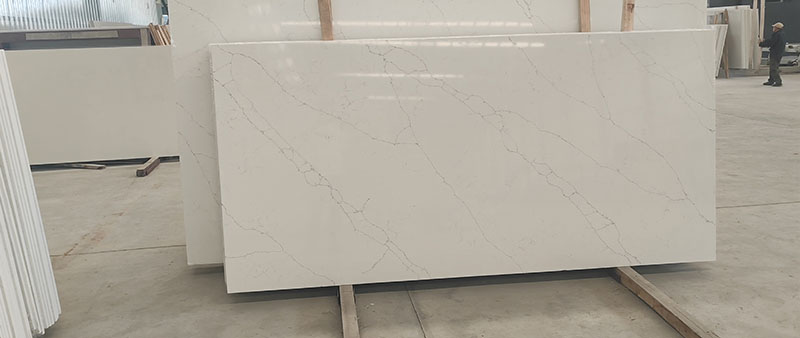
Because while natural stone surprises you, sintered stone behaves. Patterns repeat. Veins can be controlled, mirrored, scaled.
Design implications
Ideal for consistency across large projects
Enables perfect bookmatching and symmetry
Works well in minimalist or high-precision interiors
But here's the question designers quietly ask:
If everything is controlled… where's the spontaneity?
That depends on what you value more—authentic randomness or curated perfection.
4. Applications: Where It Truly Excels
Some materials are versatile. Sintered stone is… almost omnipresent.
Indoors, outdoors, vertical, horizontal—it adapts quickly. Large-format slabs reduce joints, creating that seamless, continuous look designers chase.
Common applications
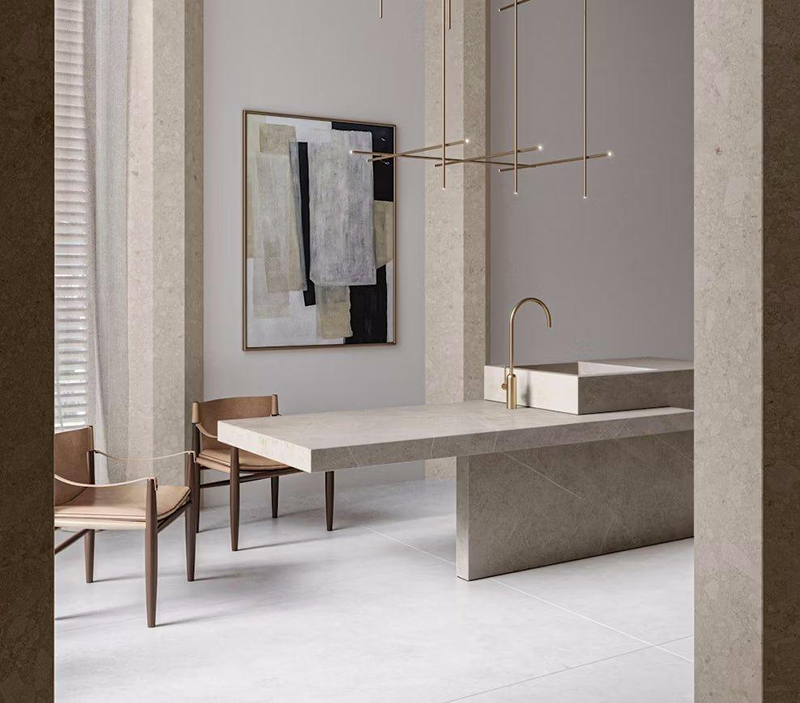
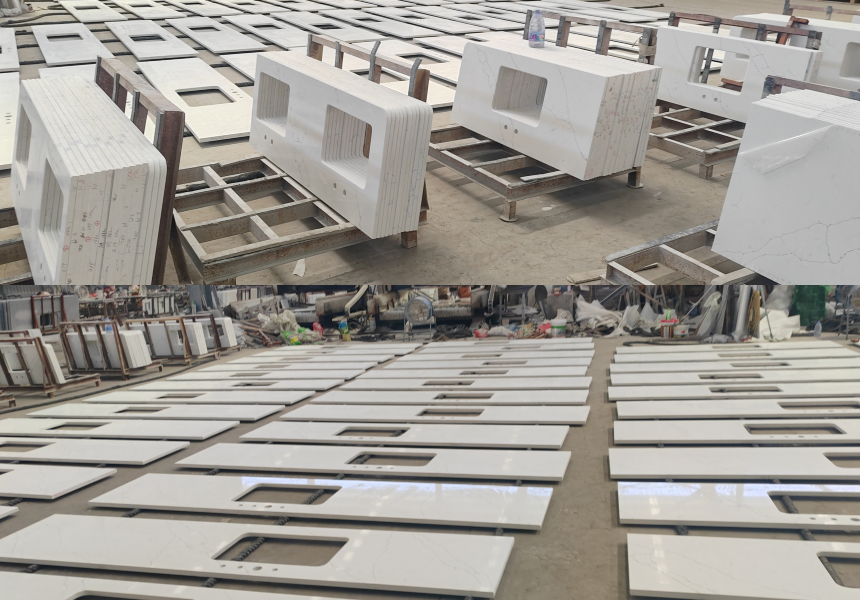
Kitchen countertops and waterfall islands
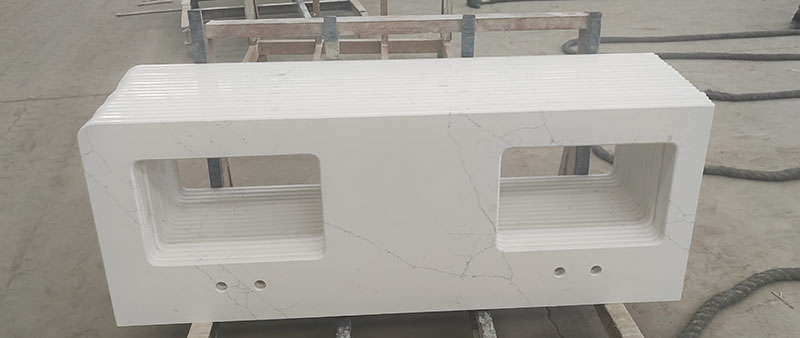
Bathroom walls and vanities
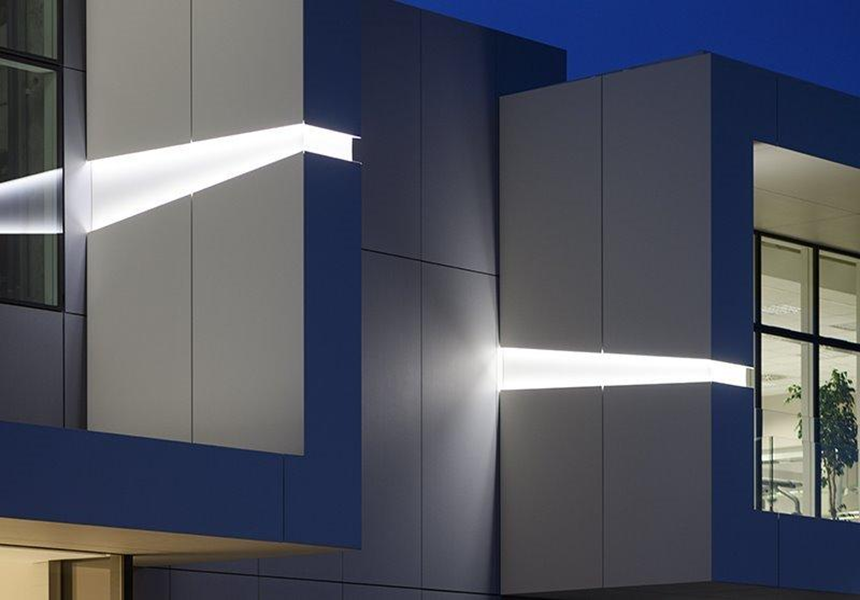
Exterior facades exposed to sun and weather
Furniture surfaces like dining tables
And because it's lighter (especially in thin formats), it opens doors that traditional stone sometimes struggles with—literally and structurally.
Conclusion
So—should you choose sintered stone?
It depends on what you expect from a surface.
If you want something resilient, predictable, and low-maintenance, it's hard to argue against it. It performs. Consistently. Almost stubbornly so.
But if you're drawn to materials that evolve—subtle changes, imperfections, the quiet unpredictability of nature—you might hesitate.
Because sintered stone doesn't age the same way.
It doesn't "develop character."
It simply stays as it is.
And maybe that's exactly the point. Or maybe… that's what's missing.